Robinson Junior High
Jenkins, Septima Clark (1898-1987), and Bernice Robinson (1914-1994) founded the first Citizenship School in 1957 to encourage literacy and voter registration. Its success led to many similar schools across the South, called “the base on which the whole civil rights movement was built.” The Progressive Club was listed in the National Register of Historic Places in 2007.
Read More
Old Schoolhouse
In 1954, Hilton Head Elementary School opened for the island’s black students. The school's construction was part of the state' School Expansion Program from 1951 - 1954. With seven classrooms and a cafeteria and auditorium, this was the largest school ever built on the island. Integration of the school was mandatory in 1972. Isaac Wilborn was this school's only principal, serving from 1954 until 1974, when the school closed because it was replaced with a larger, new school. The building was used for a county courthouse annex for a few years and was torn down in the early 1990's.
Read More
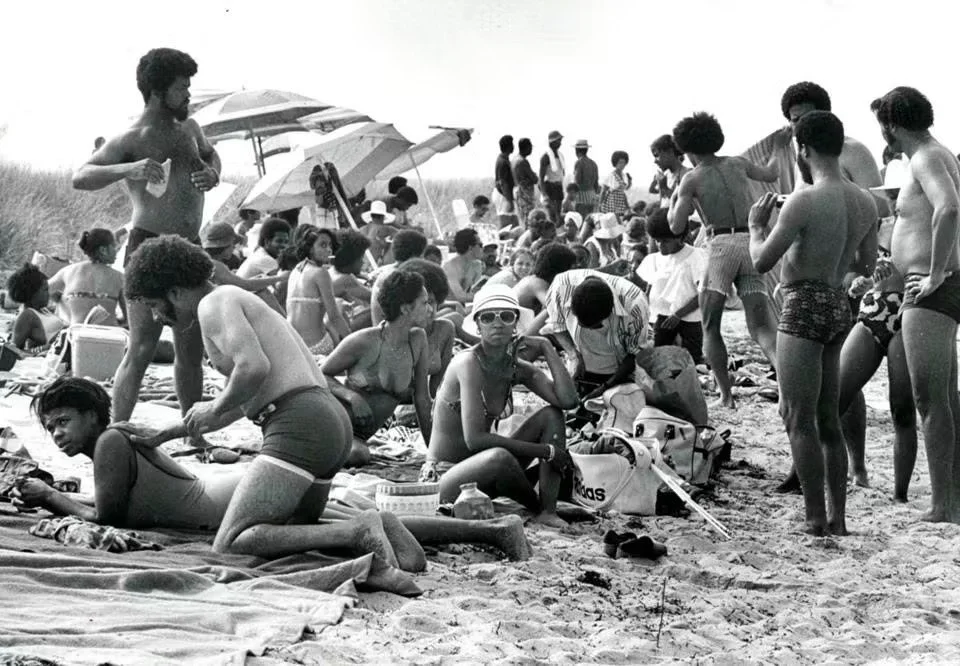
Historic Beaches
Hilton Head Island holds a distinct and meaningful place in African American history—particularly through the role its beaches played as communal havens during and after the era of segregation. These shores were not merely places of recreation; they served as sacred grounds of resilience, cultural expression, and collective identity for the Gullah Geechee people.
Read More
Historic Schools
Historic Schools were educational landmarks on Hilton Head Island—spotlighting each institution’s founding legacy, architectural heritage, and community‑centered programs, complete with direct links for deeper exploration.
Read More
The Toni Morrison Reflection Bench at Mitchelville
The Toni Morrison Society has installed its eighth Bench by the Road on Hilton Head Island, honoring the legacy of the formerly enslaved African Americans who founded Mitchelville—the first self-governing freedmen’s village in the South. The bench, placed by The Mitchelville Preservation Project, commemorates the resilience and achievement of a community that built homes, churches, and schools in the aftermath of the Civil War.
Read More
Hilton Head Island Blue Jays
The Hilton Head Blue Jays were a minor league baseball team based in the historic Baygall Gullah neighborhood on Hilton Head Island, South Carolina, where they played at Barker Field in the 1970s and early 1980s. The team played in the South Carolina Baseball League and is remembered for providing opportunities for players like Baseball Hall of Famer Dan Driessen to develop their skills.
Read More
Dan Driessen
Daniel Driessen played in Major League Baseball as a first baseman from 1973 to 1987, most notably as a member of the Cincinnati Reds dynasty that won three National League pennants and two World Series championships between 1973 and 1976.
Read More
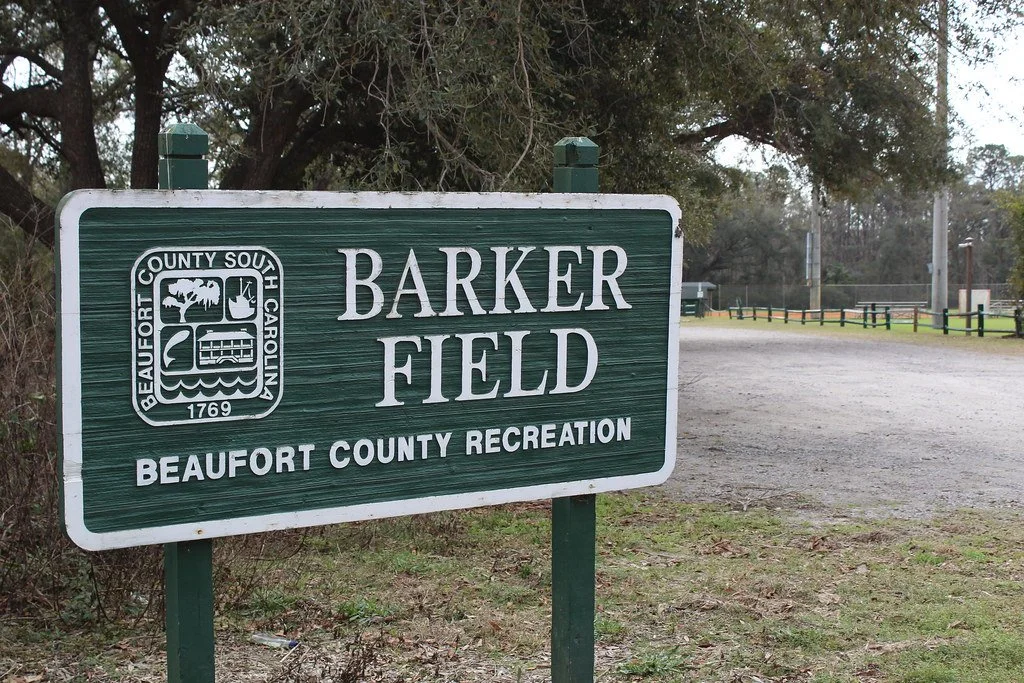
Barker Field
Located next to Mitchelville Beach is Barker Field, a recreational park complete with an open multi-purpose field as well as three baseball fields. It’s a great place to get a little sunshine if you’re looking to get off the sandy shores and run around.
Read More
Historic First African Baptist Church
Founded on August 17, 1862, First African Baptist Church is Hilton Head Island's oldest African American congregation. Led by Reverend Abraham Murchison, a formerly enslaved man from Savannah, the church began with 120 members, all of whom were freedmen. Reverend Murchison played a significant role in the community, not only as a spiritual leader but also by assisting Union forces during the Civil War and recruiting African American soldiers for the Union Army. After the Civil War, the church relocated to the Chaplin community and underwent several name changes before reclaiming its original name.
Read More
Queen Chapel AME Church
Queen Chapel African Methodist Episcopal Church traces its origins to May 12, 1865, when AME missionaries, including Rev. Richard Harvey Cain, were forced to land on Hilton Head Island due to a storm while en route to Charleston. They established the church in the Cherry Hill area, providing a spiritual home for the newly freed African American community. The current church property was acquired in 1886, with the existing structure built or relocated there around 1892.
Read More
St. James Baptist Church
St. James Baptist Church was established in 1886 by former members of First African Baptist Church who wished to continue worshiping in the Mitchelville area after the original church relocated. As the only remaining institution from the historic town of Mitchelville, St. James has been a continuous presence in the community. The church has served as a caretaker for two native islander cemeteries—Union and Drayton—and the historic Cherry Hill School, a one-room schoolhouse built in 1937 for African American children. The current brick sanctuary was constructed in 1972 and renovated in 2005.
stjameshhi.org
Read More
Mount Calvary Missionary Baptist Church
Mount Calvary Missionary Baptist Church was founded on March 14, 1914, by members who separated from First African Baptist Church to establish a new congregation in the Pope community. Under the leadership of Rev. B.W. Williams, the church was built on land donated by the Miller family. Mt. Calvary has maintained traditional Gullah worship practices, including outdoor baptisms in Skull Creek, and continues to be an active spiritual and cultural center on the island.
Read More
Central Oak Grove Missionary Baptist Church
Central Oak Grove Missionary Baptist Church, established around 1887, originated from a congregation known as Good Will Baptist Church. Located in the Chaplin community, the church has been a cornerstone of the Gullah community, serving as a place of worship and a gathering space for the community. Despite challenges, including damage from natural disasters, Central Oak Grove continues to uphold its mission and heritage.
Read More